
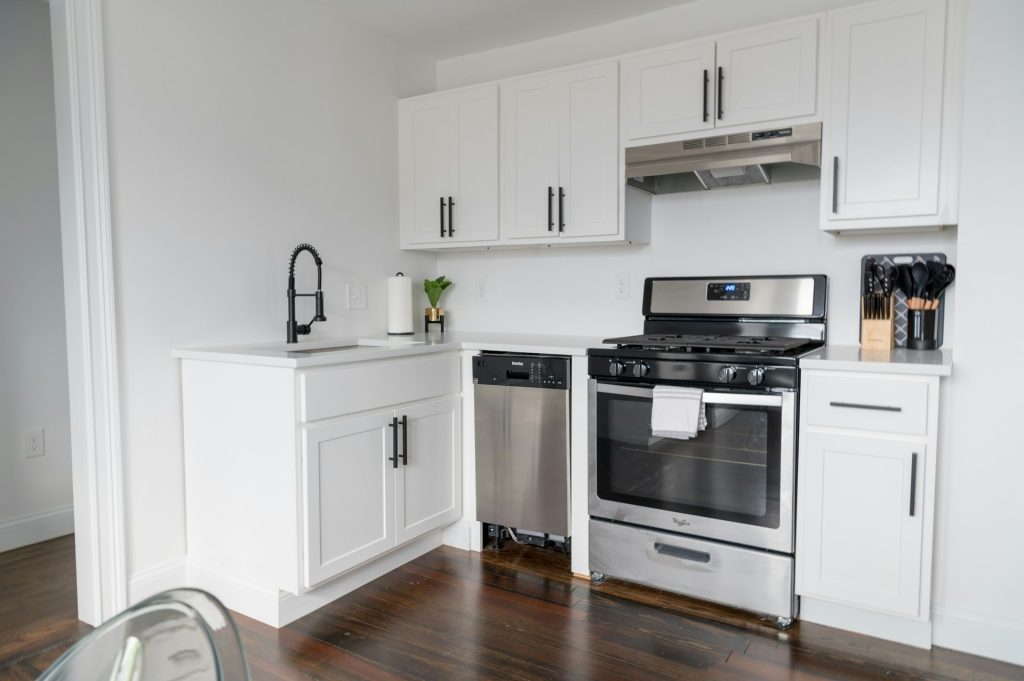
Reducing energy consumption in the kitchen not only helps the environment but also saves money on utility bills. Kitchen appliances, including refrigerators, ovens, and dishwashers, can use a significant amount of energy. By implementing a few simple hacks, we can make these appliances run more efficiently and cut down on unnecessary energy use.
Understanding how to maximise the efficiency of these appliances can lead to substantial savings. Small adjustments in how we use and maintain our kitchen gadgets can have a big impact. In this article, we will share some practical tips and tricks to help you save energy in the kitchen. These hacks are easy to implement and can make a noticeable difference in your energy bills.
Maximise Refrigerator Efficiency
Keeping your refrigerator running efficiently can save a lot of energy. One of the easiest ways to improve efficiency is by ensuring the door seals are tight. If the seals are worn out or dirty, cool air escapes, and the fridge has to work harder and use more energy. Clean the seals regularly and replace them if they are damaged.
Another important tip is to keep the fridge at the optimal temperature. Set the refrigerator to around 3 to 5 degrees Celsius and the freezer to about minus 18 degrees Celsius. This ensures your food stays fresh without the appliance overworking. Make sure the fridge has enough space around it for ventilation, and avoid placing it next to heat sources like ovens or dishwashers. Additionally, don’t overload your fridge, as this can obstruct air circulation, causing the appliance to work harder.
Optimise Cooking Appliances
Cooking appliances like ovens and stoves consume a significant amount of energy. A straightforward way to save energy is to use the right pot or pan size for the burner. Using a small pot on a large burner wastes energy. Matching the pot size to the burner size ensures efficient energy use.
When using the oven, avoid opening the door frequently. Each time the door is opened, a significant amount of heat escapes, making the oven work harder to maintain the temperature. Instead, use the oven light to check on your food.
Also, consider using energy-efficient cooking methods such as slow cookers or microwaves for small meals. These appliances use less energy compared to conventional ovens. Lastly, regularly clean your stove and oven to ensure they operate efficiently. Burnt food and grease build-up can reduce their efficiency and increase energy use.
Effective Use of Dishwashers
Using your dishwasher efficiently can greatly reduce energy consumption. One key practice is to always run full loads. Dishwashers use the same amount of water and energy regardless of how many dishes are inside, so maximise each wash by filling the dishwasher properly. Ensure that dishes are loaded according to the manufacturer’s guidelines to allow for proper water flow and effective cleaning.
Another energy-saving tip is to use the eco or energy-saving mode, which uses lower temperatures and less water. These cycles may take longer but consume less energy.
Additionally, avoid using the heat-dry option to dry dishes. Instead, opt for the air-dry setting or simply open the door after the wash cycle to let the dishes air dry naturally. Regularly cleaning the dishwasher’s filter and spray arms can also help maintain its efficiency by preventing blockages.
Tips for Energy-Saving Lighting
Lighting in the kitchen can also impact your energy use. Switching to energy-efficient LED bulbs is one of the easiest ways to save energy. LED bulbs use up to 75% less energy than traditional incandescent bulbs and last much longer, reducing the need for frequent replacements.
Another way to save energy is by making the most of natural light during the day. Arrange your kitchen workspace near windows to take advantage of daylight, reducing the need for artificial lighting. Additionally, consider installing motion sensor lights or timers that automatically turn off when the kitchen is not in use. This prevents lights from being left on unnecessarily.
Lastly, ensure that light fixtures and bulbs are clean, as dust can reduce their efficiency. By following these tips, you can reduce your energy consumption and make your kitchen lighting more efficient.
Conclusion
Saving energy in the kitchen doesn’t have to be difficult. By making small changes to how we use and maintain our appliances, we can significantly reduce our energy consumption and lower our utility bills. From maximising refrigerator efficiency and optimising cooking appliances to effectively using dishwashers and adopting energy-saving lighting, every slight adjustment adds up.
Paying attention to these details not only benefits your wallet but also helps the environment. If you need any assistance with your kitchen appliance repair in Cape Town to ensure they run efficiently, feel free to reach out to us at CapeFixAll today. Our skilled team is ready to help you keep your appliances in top condition.